Fashion Elements
The Birkin Organizer: Luxury, Longevity, and Sanity - Birkin Organizer
The Birkin Organizer: Luxury, Longevity, and Sanity - Birkin Organizer
Couldn't load pickup availability
In the pantheon of luxury handbags, the Hermès Birkin sits alone at the summit. It is not merely a bag; it is a cultural icon, a financial asset, and for many, the ultimate grail piece. Named after actress and singer Jane Birkin, this meticulously crafted leather good is renowned for its timeless design, impeccable craftsmanship, and, often, its hefty price tag—both at retail and on the secondary market.
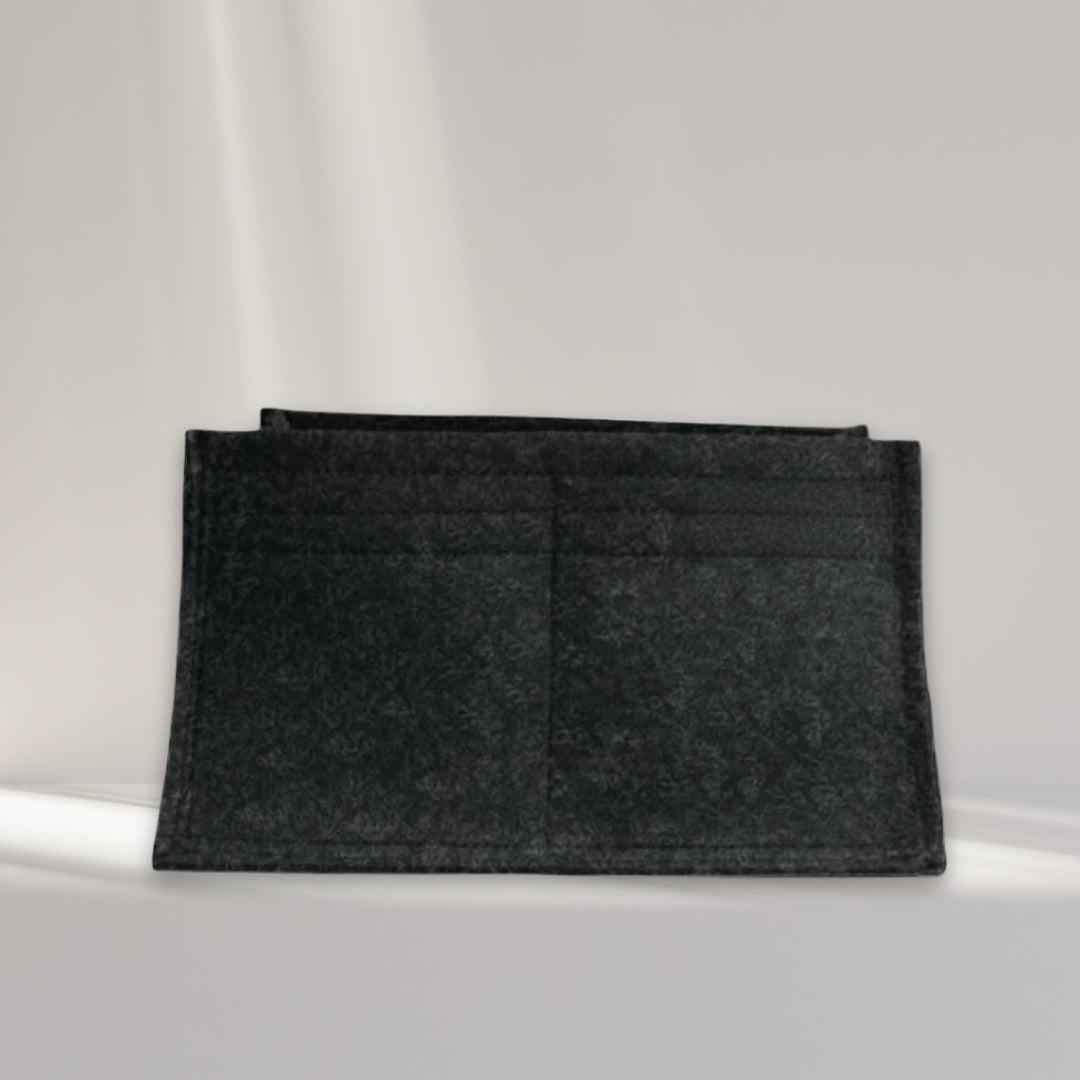
Given the investment—both financial and emotional—that a Birkin represents, it is no surprise that a dedicated ecosystem of care products has emerged around it. At the heart of this ecosystem is an item that sparks passionate debate among collectors: the Birkin Organizer.
To the uninitiated, an organizer might seem like a simple felt pouch designed to hold keys and lipstick. But for a Birkin owner, choosing whether to use one—and which one to buy—is a decision that touches on the bag’s structure, its resale value, and the very philosophy of how luxury should be lived with.
The Core Problem: The Birkin’s “Sag”
To understand the importance of a Birkin organizer, one must first understand the bag’s architecture. A classic Birkin (typically the coveted 35cm or 30cm sizes) is constructed from supple, heavy-grain leathers like Togo, Clemence, or Fjord. Unlike a structured, rigid handbag, the Birkin is designed to be luxurious but relaxed. Over time, and with regular use, the weight of the bag’s contents causes the unlined leather bottom to slump or “sag.” This is a natural characteristic of the bag—some collectors even cherish it as a sign of a well-loved, lived-in piece.
However, this sag can become problematic. Prolonged, uneven weight distribution can stress the leather at the base corners, leading to premature wear, softening of the structure, and a shape that many owners feel detracts from the bag’s iconic silhouette. The primary function of a Birkin organizer is to combat this. By inserting a structured base and supportive walls, the organizer provides a rigid internal frame that maintains the bag’s original rectangular shape, preventing the dreaded sag and protecting the integrity of the leather over the long term.
More Than Just Structure: The Functional Benefits
While preserving the bag’s shape is the primary draw, the modern Birkin organizer offers a suite of functionalities that appeal to the practical luxury lover.
-
Interior Protection: The interior of a Birkin is often left unlined, showcasing the raw, finished back of the leather. While beautiful, this suede-like surface is susceptible to stains, ink marks, and scratches from everyday items. A high-quality organizer acts as a full-coverage shield, preventing the chaos of a tossed-in pen or a leaking moisturizer from causing permanent damage to the bag’s valuable interior.
-
Organization: The Birkin is, by design, a single, cavernous compartment. For those who use the bag as a daily companion, this can become a "black hole" where small essentials—keys, AirPods, a cardholder—disappear into the abyss. Organizers come equipped with thoughtfully placed pockets: zippered compartments for valuables, slip pockets for a phone, and dedicated slots for pens and cards. This transforms the Birkin from a beautiful pit into a functional, efficient tote, allowing the owner to maintain the bag’s effortless exterior while enjoying modern interior order.
-
Structural Integrity: Beyond preventing bottom sag, an organizer distributes the weight of the bag’s contents evenly across the base and sides. This prevents the "pointing" or bulging that can occur when heavy items press against the delicate leather from the inside. For bags with a front strap and turn-lock closure, a good organizer ensures the flap sits evenly and closes without strain.
The Material Debate: Felt vs. Silk vs. Linen
The market offers organizers in a variety of materials, each with its own philosophy.
-
Felt (or Microfiber): The most popular choice. High-quality, rigid felt (often 2mm to 3mm thick) offers the best structural support. It is lightweight, durable, and provides a protective cushion between your items and the leather. Premium felt organizers are often handmade and designed to be semi-rigid, offering a perfect balance of protection without adding unnecessary bulk or weight.
-
Linen and Cotton: A softer, more traditional option favored by collectors who are less concerned about sag and more focused on interior protection and light organization. These are typically lighter and more flexible, allowing the bag to maintain its natural slouch while still protecting the interior lining from spills and scratches.
-
Silk: The ultimate in luxury liners, silk organizers are less about structure and entirely about preservation. They offer a sumptuous, non-abrasive surface that is gentle on delicate leathers like Chevre or Box Calf. They provide organization but do little to prevent structural sag.
The debate often comes down to a philosophical divide: those who view the bag as an investment to be preserved in as close to pristine condition as possible tend to favor rigid felt organizers. Those who subscribe to Jane Birkin’s own ethos—using the bag as a carefree, functional basket, famously overstuffing hers with notebooks and letting it sit on the floor of airplanes—might prefer a softer liner or no organizer at all.
The Controversy: To Organize or Not to Organize?
Despite the clear benefits, the use of organizers is not without its critics within the Hermès community. The primary concern is the fear that a rigid organizer, especially one that is slightly too large or made from rough material, could cause its own form of damage.
The worry is that the constant friction between the organizer’s edges and the bag’s leather interior could lead to premature wear, specifically on the corners and along the top edge where the organizer might press against the bag’s structure. Additionally, an overly stiff organizer can put stress on the hardware (the sangles and front strap) by forcing the bag to maintain a shape that is tighter than its natural relaxed state.
How to Choose the Perfect Organizer
If you decide an organizer is right for your Birkin, the key is precision. Unlike a generic handbag insert, a Birkin organizer must be designed specifically for the bag’s exact size (25, 30, 35, 40, or the rare 50) and leather type.
-
Measure Twice, Buy Once: Ensure the organizer is custom-made for your specific Birkin size. A 30cm Birkin organizer will not fit a 35cm bag correctly.
-
Consider the Leather: For softer leathers like Clemence, a slightly more flexible felt is often recommended to avoid creating unnatural stress marks. For stiffer leathers like Epsom or Togo, a rigid base is generally safe and beneficial.
-
Check the Fit: The organizer should sit flush with the bottom of the bag without needing to be forced. The side walls should come up to, but not push against, the point where the bag’s flap begins to fold. The front should allow the sangles (the leather straps) to lie flat and the turn-lock to close without resistance, Repair mobile device service in Dubai.
-
Quality Matters: Invest in a high-quality organizer from a reputable maker known for working with luxury handbags. The edges should be finished (not raw), the felt should be dense and non-abrasive, and the stitching should be impeccable.